
A New Era In Sensing
Quantum Entanglement is an essential resource for ultra-precise measurements that cannot be achieved classically. Entanglement is realized by exploiting the non-linear properties of materials, such as Josephson junctions in the microwave regime and non-linear crystals for optical photons. These processes enable the creation of highly correlated photon pairs, which serve as the foundation for various quantum applications with record breaking sensitivity and precision.
Applications
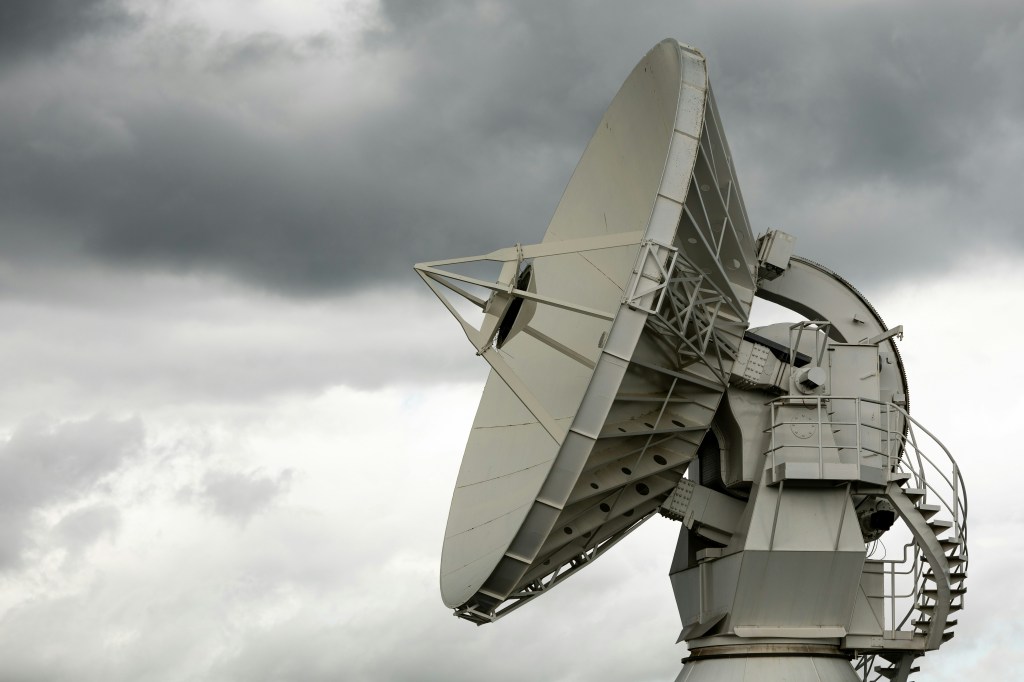
Guardian Link — Sovereign Quantum Timing for Critical Infrastructure
Guardian Link is Canada’s first sovereign, quantum-secure timing backbone designed to protect critical infrastructure from GNSS disruptions. Operating over existing fiber, it delivers authenticated, resilient time synchronization across finance, energy, telecom, transportation and defense, including the Arctic, while running in parallel with GNSS for seamless failover. Beyond resilience, Guardian Link unlocks future quantum services like QKD and distributed computing, transforming dark fiber into a national quantum utility. Modern technology runs on precise time. From financial transactions and stock exchange timestamps to power grid stability, telecom synchronization, radar systems, and scientific research, accurate timing is the invisible backbone of critical infrastructure. Today, Canada relies entirely on foreign GNSS systems like GPS and Galileo, which are vulnerable to jamming, spoofing, and space weather. A single GNSS outage could cost Canada billions of dollars per day and disrupt essential services nationwide. Guardian Link solves this by creating a sovereign, quantum-secure timing layer over fiber—delivering unmatched precision, resilience, and security while enabling future quantum technologies.
Inertial Mass Units
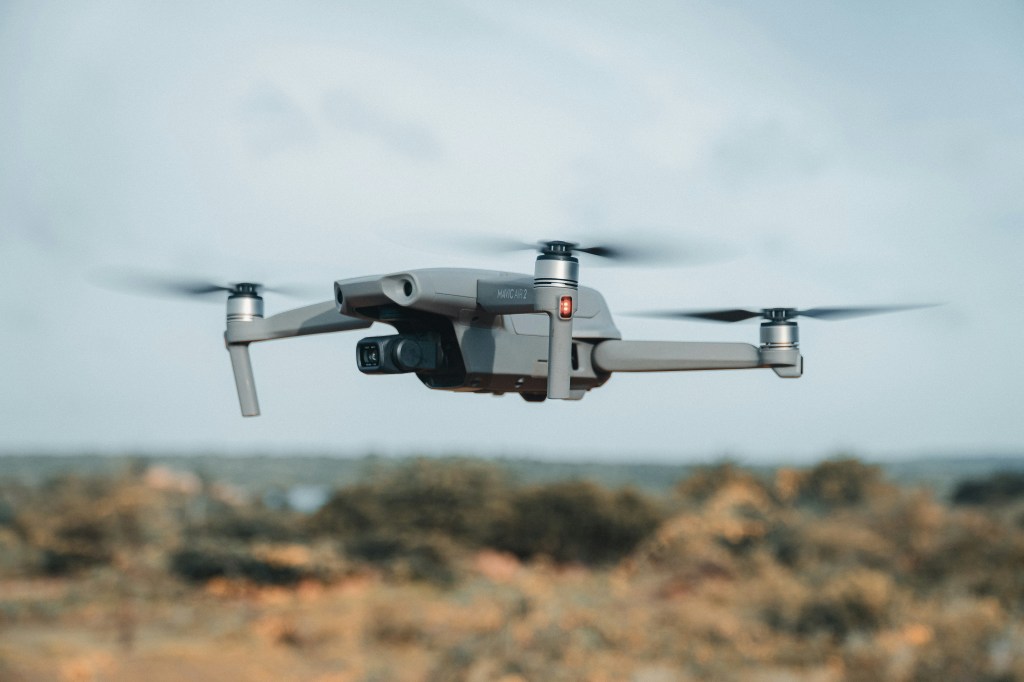
An Inertial Measurement Unit (IMU) is a sensor device that measures motion, orientation, and angular velocity using high precision sensors. IMUs are widely used in navigation, aviation, and consumer electronics. However, they face several challenges. Environmental factors such as temperature changes, vibrations, and magnetic interference can introduce noise and reduce accuracy. Cost is another concern—high-precision IMUs offer excellent accuracy but are expensive, while low-cost MEMS IMUs suffer from noise. Integrating IMUs with other systems like GPS, cameras, and LiDAR helps mitigate errors but adds complexity. Despite these challenges, IMUs remain essential for motion tracking, particularly when combined with complementary technologies. We aim to introduce a state of the art quantum-IMU system that increases precision and reliability.
Radar
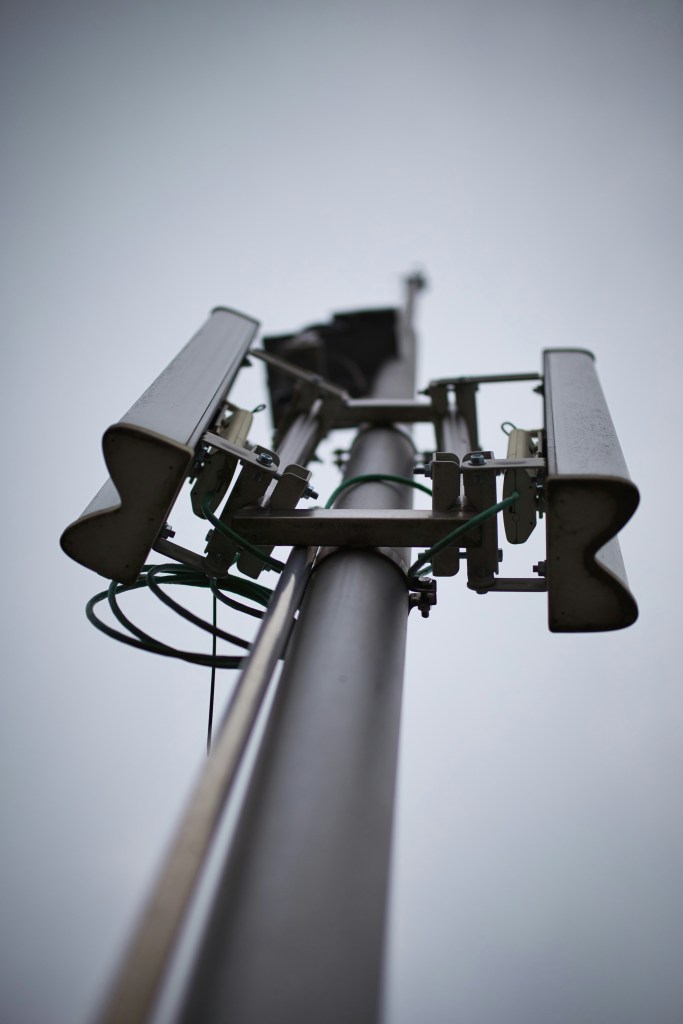
Radar (Radio Detection and Ranging) is a technology that uses radio waves to detect, track, and measure the speed and distance of objects. It works by transmitting radio signals, which bounce off objects and return to the radar receiver. Radar is widely used in aviation, weather forecasting, military defense, and maritime navigation. However, radar systems face several challenges. Signal interference from other electronic devices or natural phenomena can reduce accuracy. Environmental factors like weather conditions, terrain, and atmospheric disturbances can weaken or distort signals. Additionally, high-frequency radar offers better resolution but suffers from shorter range and higher attenuation. To overcome these challenges, we aim to integrate our state of the art quantum limited amplifier, QuLIPA, to drastically enhance signal to noise ratios for fast and reliable signal detection.
 QuantaSense